By Jennifer Goetz, Chief Growth Officer
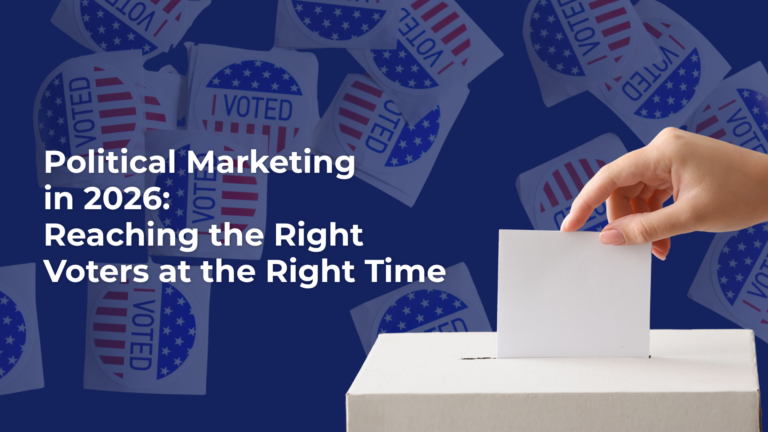
Modern political campaigns have more ways than ever to reach voters. Social media, text messages, direct mail, email, television, digital advertising and face-to-face conversations all compete for attention.
The challenge isn’t simply reaching people. It’s reaching the right voters often enough, on the right channels and with a message that matters to them.
Successful political marketing isn’t about being everywhere or talking to everyone. It’s about understanding your audience and building a strategy around how they actually consume information.
Know Who You’re Trying to Reach
One of the biggest mistakes a campaign can make is trying to communicate with everyone the same way.
Your base voters, persuadable voters and opposition aren’t the same audiences, and they shouldn’t receive the same level of attention or investment. Campaign resources are limited, so understanding which voters are most likely to support you and which voters may be persuaded can help you spend those resources more effectively.
Data can also help you understand more than someone’s likelihood to vote. Where do they spend their time? What platforms do they use? What issues matter to them?
The best channel isn’t necessarily the newest or most popular one. It’s the one your voters actually use.
Match the Message to the Audience
Just as different voters use different platforms, they also care about different issues.
A voter concerned about the economy may respond to a message about jobs and affordability, while parents, seniors or younger voters may have entirely different priorities.
Your overall platform shouldn’t change from audience to audience, but how you communicate it can.
Effective campaign messaging answers a few important questions: Who are you? Why are you running? What problem are you trying to solve? Why should voters trust you? And, most importantly, what do you want them to do next?
Don’t Rely on One Marketing Channel
A Facebook page alone isn’t a campaign strategy.
Neither is direct mail, texting, digital advertising or door knocking.
Each tactic has strengths and limitations. Direct mail can be highly targeted but expensive. Door knocking creates valuable personal connections but requires significant time and volunteers. Digital and social advertising offer more flexible targeting, while text and email can provide direct ways to communicate with supporters.
The strongest campaigns layer these tactics together so voters encounter a consistent message across multiple touchpoints.
Start Early and Build Momentum
Waiting until the final 30 days to begin marketing can put a campaign at a disadvantage. By then, many voters may already have formed an opinion.
Instead, think of campaign marketing in phases.
Early efforts can introduce the candidate and build awareness. Mid-campaign marketing can educate voters, establish credibility and expand reach. As Election Day approaches, the focus shifts toward reinforcing key messages and driving turnout.
The tactics may change throughout the campaign, but the strategy should continue building on itself.
Reaching Voters Is Only the Beginning
Political marketing isn’t about getting the most impressions, sending the most mailers or posting the most frequently.
It’s about moving the right people to action.
Reach the right voters. Tailor the message. Use multiple communication channels. Start early. Stay consistent. And as Election Day approaches, give supporters a clear reason, and reminder, to show up.
Because at the end of the campaign, turnout matters more than a clever slogan.
At Compass Marketing & Advertising Partners, we help campaigns develop strategic marketing plans that connect the right audiences with the right message across traditional and digital channels.
Planning your campaign marketing strategy? Let’s talk, Jennifer@WeAreYourCompass.com.